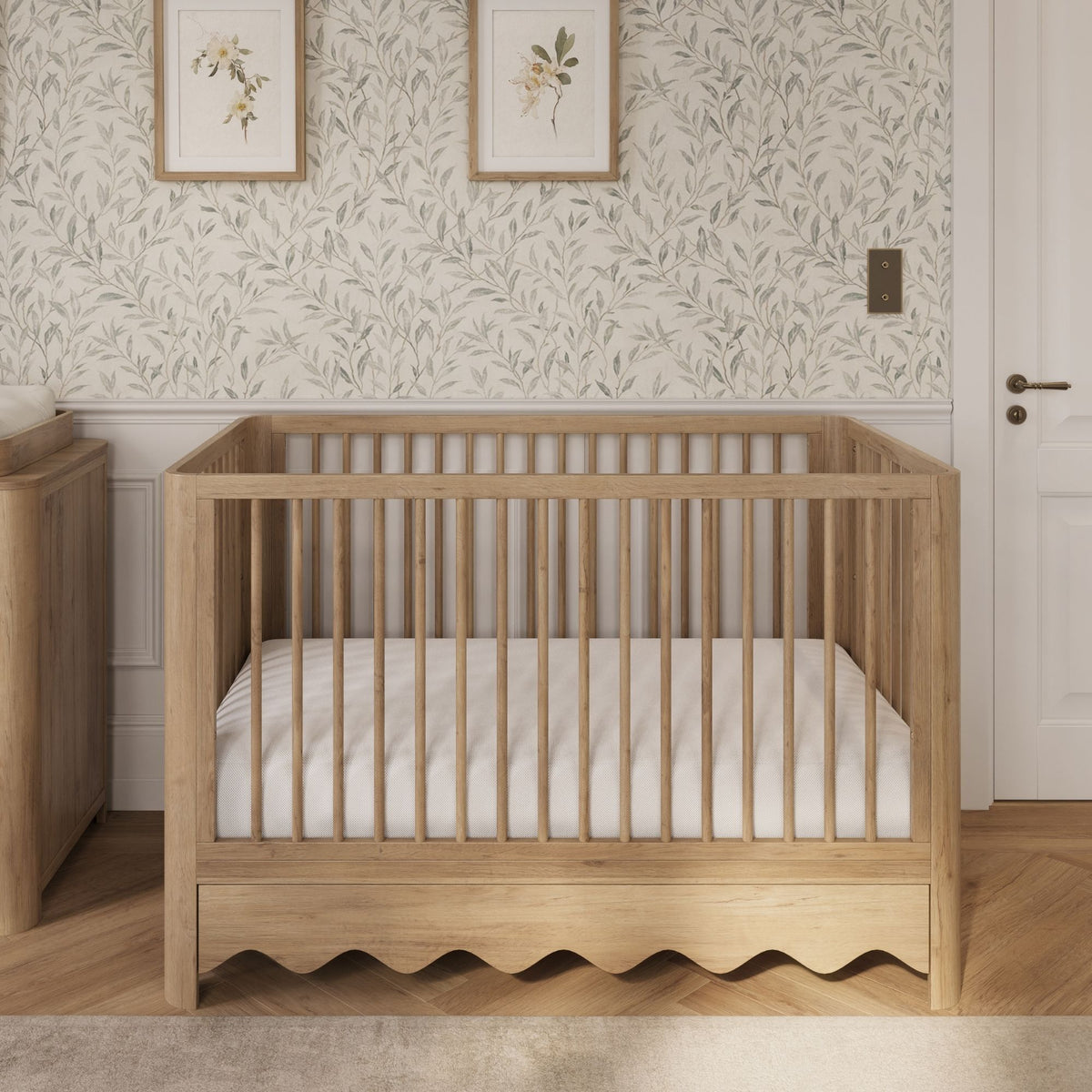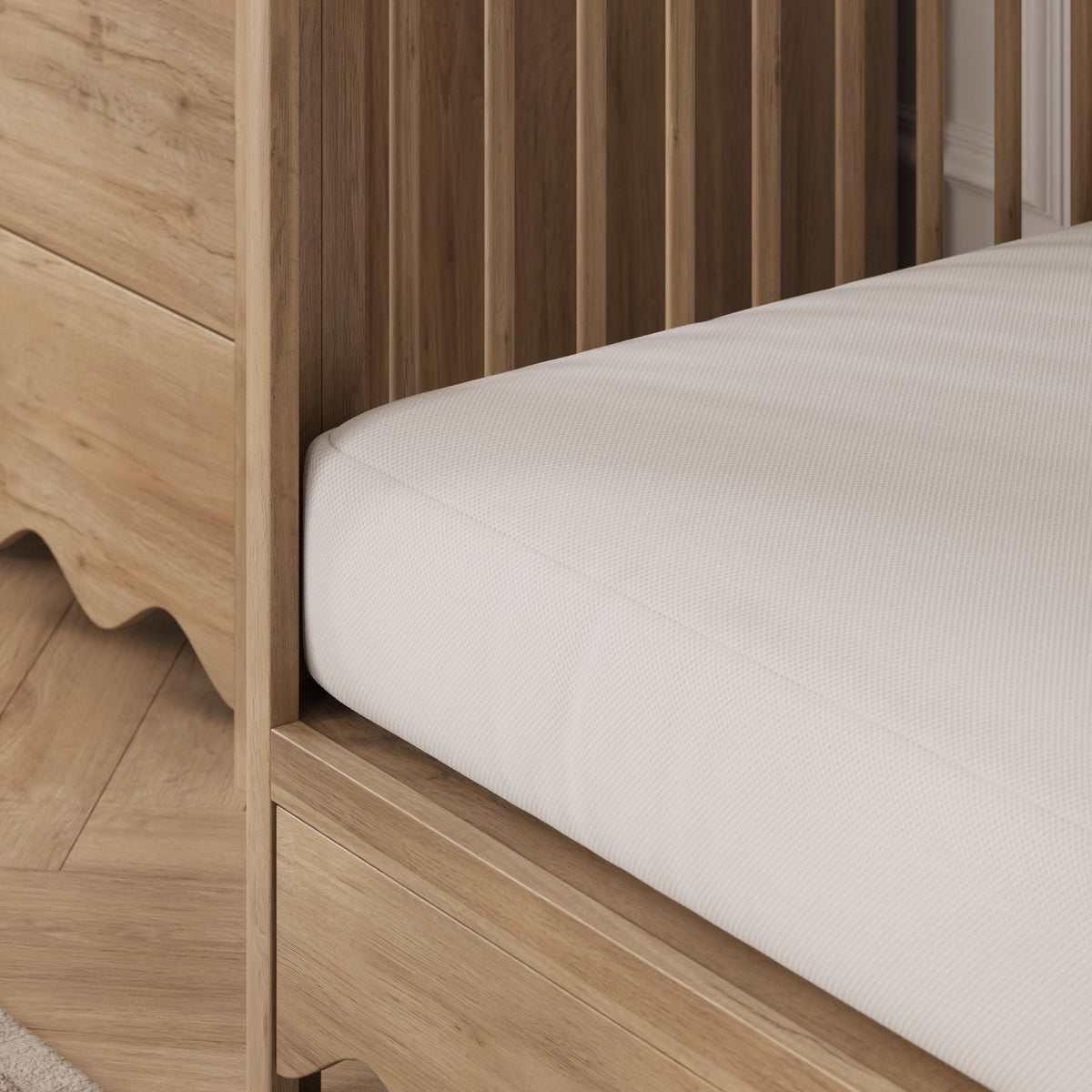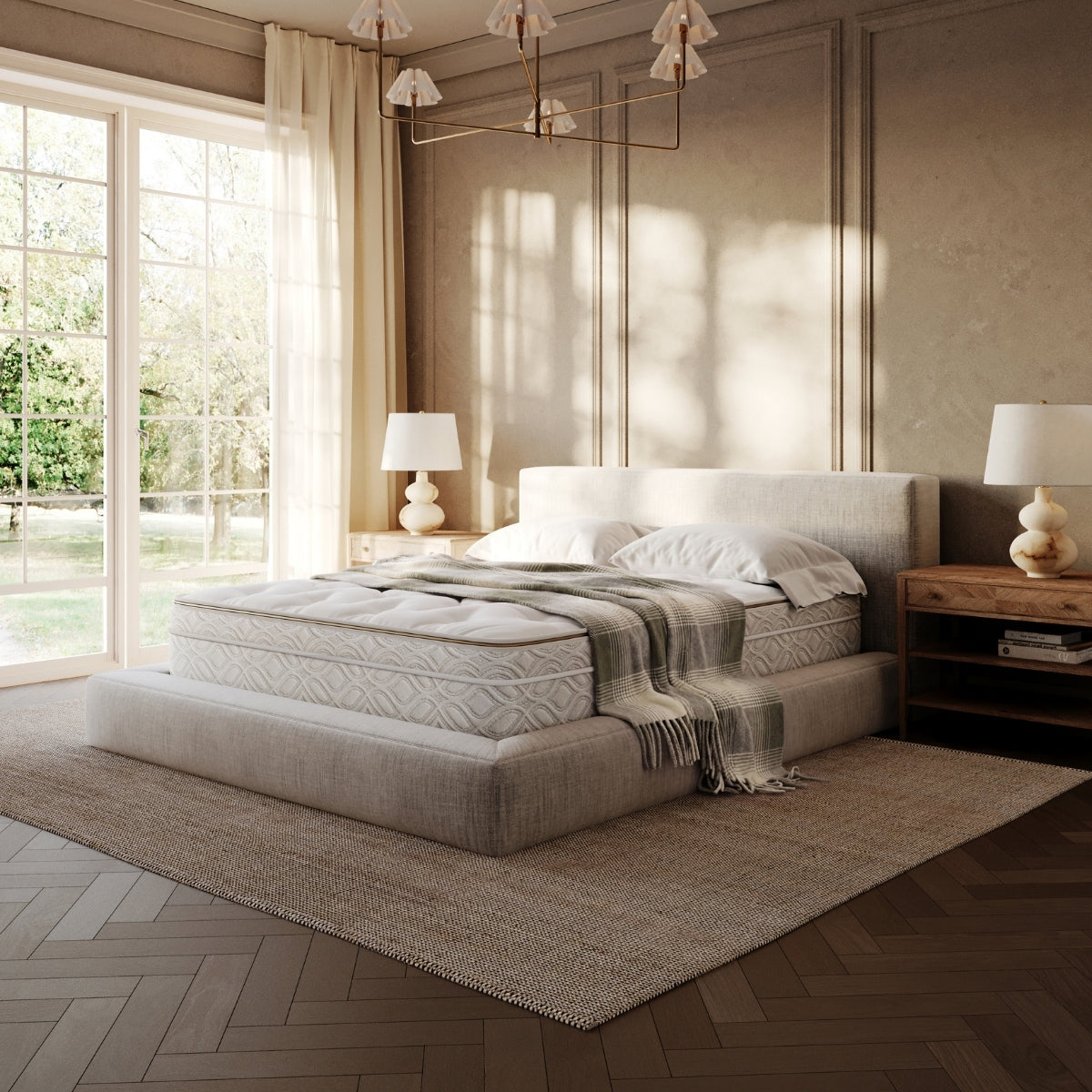

Shopping for a crib mattress introduces a whole new vocabulary: firm, waterproof, dual-stage, organic, lightweight, innerspring ... and, increasingly, breathable. But what does a breathable crib mattress actually do? And, more importantly, do you need one?
Many parents choose breathable crib mattresses for increased airflow at the sleep surface, comfort, and convenience. The important thing is understanding what "breathable" means, because not every mattress marketed that way is designed the same.
Here's what parents should know about breathable crib mattresses, from safe-sleep guidance and temperature regulation to waterproofing, washability, and what to look for when comparing your options.
Note: This blog may contain links to Naturepedic products and promotional content where relevant to the topic discussed.
Breathable Crib Mattresses: Key Points
- A breathable crib mattress is designed to increase airflow at or through the sleep surface, but “breathable” does not describe one standardized mattress construction.
- Breathability does not replace safe-sleep fundamentals. Infants still need a firm, flat sleep surface that fits the crib properly, along with a tightly fitted sheet and an otherwise clear sleep space.
- A breathable crib mattress is optional, not required. Parents may choose one for airflow, comfort, washability, or easier cleanup.
- Breathable and waterproof can coexist in the same mattress design. Some mattresses use a removable airflow layer over a separate waterproof surface.
- When comparing options, look at the entire mattress — including firmness, fit, materials, moisture protection, cleaning, certifications, construction, and how breathability is actually achieved.
What Is a Breathable Crib Mattress?
A breathable crib mattress is designed to allow airflow at or through the sleep surface. Depending on the mattress, that may be accomplished with a breathable cover, a three-dimensional spacer fabric, an open or porous core, or another type of airflow-focused construction.
It's important to know that "breathable" doesn't describe one standardized mattress design. Two mattresses can both use the term while working very differently. One may have a removable breathable layer over a waterproof mattress, for example, while another may be porous throughout its entire core.
That's why it's worth looking beyond the word on the label and asking a more useful question: How does this particular mattress create airflow?
How Is Breathability Different From Mattress Firmness?
Breathability and firmness describe two separate characteristics of a crib mattress.
The American Academy of Pediatrics (AAP) recommends that infants sleep on a firm, flat, noninclined surface that maintains its shape and fits appropriately within a safety-approved crib. Those recommendations apply whether or not a mattress is marketed as breathable.
Breathability, on the other hand, refers to airflow. It can be an added feature of a properly firm crib mattress, but it doesn't replace the firmness, fit, and other characteristics recommended for infant safe sleep.
Are All Crib Mattresses Breathable?
No. Crib mattress construction varies significantly, and so does breathability.

A traditional waterproof crib mattress may have a smooth, wipe-clean surface without an additional airflow layer. Other designs add a breathable cover above the waterproof surface, while some mattresses use porous materials throughout much of the mattress.
When you're comparing breathable crib mattresses, look for clear information about:
- Where airflow occurs: Is the surface breathable, the entire mattress porous, or both?
- How the surface is constructed: Look for specific materials and design details rather than vague "breathable" language.
- How the mattress handles moisture: Is there a waterproof barrier, removable cover, or washable core?
- How it is cleaned: Consider what happens after a diaper leak, spit-up, or other inevitable crib mess.
- Whether the mattress remains firm: Breathability should not come at the expense of the firm sleep surface recommended for infants.
Do You Need a Breathable Crib Mattress?
If you're deciding whether breathability is worth prioritizing, focus on what the feature can add to an already firm, properly fitting crib mattress.
For many parents, the appeal is practical: airflow at the sleep surface may help reduce heat and moisture buildup around Baby, while a removable breathable layer can make cleanup easier. Depending on the design, you may also get the benefits of breathability without sacrificing waterproof protection underneath.
Those features can make a breathable crib mattress especially appealing for families who prioritize airflow, easy maintenance, and a sleep surface designed with comfort in mind.
Are Breathable Crib Mattresses Safer?
This is where it's especially important to separate breathable mattress marketing from established safe-sleep guidance.
There is not sufficient evidence to say that a mattress marketed as breathable independently prevents SIDS, suffocation, or other sleep-related infant deaths. The AAP's safe-sleep recommendations focus on a firm, flat sleep surface, proper sleep positioning, an appropriately fitted mattress, and keeping soft objects and loose bedding out of the crib.
A breathable crib mattress can still be part of that safe sleep environment, provided that it meets applicable crib mattress requirements and provides the firm support infants need.
In other words: think of breathability as an additional mattress feature, not as a substitute for proven safe-sleep practices.
What Do Pediatricians Recommend About Breathable Crib Mattresses?
Pediatric guidance focuses primarily on the baby's overall sleep environment rather than requiring a mattress specifically labeled "breathable."
The AAP's HealthyChildren guidance recommends that parents:
- Place Baby on their back for naps and nighttime sleep.
- Use a firm, flat sleep surface.
- Make sure the mattress fits the crib or other approved sleep space appropriately.
- Use a fitted sheet designed for the mattress.
- Keep pillows, blankets, toys, bumpers, and other soft or loose items out of the crib.
- Avoid overheating and head covering.
A breathable mattress can be used within those recommendations, but the term "breathable" itself should not be treated as a safety certification or a replacement for any of these practices.
Does Breathability Help With Temperature Regulation?
Airflow and temperature are closely connected, which is another reason parents may be interested in breathable crib mattresses. A surface that allows air to move more freely can help reduce heat and moisture buildup immediately around the sleep surface, depending on how the mattress is constructed.
But the mattress is only one part of Baby's sleep environment.

The AAP recommends avoiding overheating and considering the room temperature when dressing an infant for sleep. Rather than relying on a mattress to control temperature, parents should pay attention to the entire setup, including sleepwear, room conditions, and bedding.
Signs that a baby may be too warm can include sweating, flushed skin, or a chest that feels hot to the touch. The AAP generally recommends dressing babies in no more than one additional layer than an adult would wear comfortably in the same environment.
For more guidance, see our tips for keeping Baby cool while sleeping.
Can a Crib Mattress Be Both Breathable and Waterproof?
Absolutely — although the way manufacturers combine the two features varies.
At first, "breathable" and "waterproof" may sound like opposites. If air can move through a surface, wouldn't moisture move through it, too?
That's where mattress construction comes in.
Some crib mattresses use a breathable layer at the surface with a separate waterproof mattress underneath. Air can circulate through the top layer while the waterproof surface below prevents diaper leaks, spit-up, and other messes from reaching the mattress interior.
This type of layered construction can offer a practical advantage: the breathable portion can be removed for washing, while the mattress itself can simply be wiped clean.
Other designs make more of the mattress itself porous and rely on washability rather than a waterproof sleep surface. Neither term alone tells you which approach a mattress uses, so check the manufacturer's cleaning and care instructions before buying.
For more on why moisture protection matters, read our guide to waterproof crib mattresses.
Breathable vs. Washable Crib Mattresses: What's the Difference?
Breathable and washable aren't the same thing. A breathable mattress is designed around airflow, while a washable mattress is designed so that some or all of its construction can be washed.
The right approach comes down to how much cleaning you're comfortable with and what other features matter to you. If you choose a washable-core mattress, following its drying instructions carefully is especially important because moisture should not remain trapped inside a mattress.
What Happens if My Baby Rolls Face Down?
A breathable mattress doesn't change the recommendation to place your baby on their back at the beginning of every sleep.
Eventually, though, babies learn to roll — often seemingly overnight. According to the AAP, if your baby can comfortably roll both from back to stomach and from stomach to back on their own, you generally don't need to repeatedly turn them back over during the night.
You should still place them on their back initially and keep the crib clear of blankets, pillows, toys, bumper pads, and other objects that could obstruct airflow.
Most importantly, don't use a breathable mattress as justification for intentionally placing a baby on their stomach to sleep. Safe-sleep positioning guidance remains the same regardless of the mattress design.
How Naturepedic Breathable Crib Mattresses Work
At Naturepedic, we approached breathability as a surface feature rather than making the entire mattress porous.
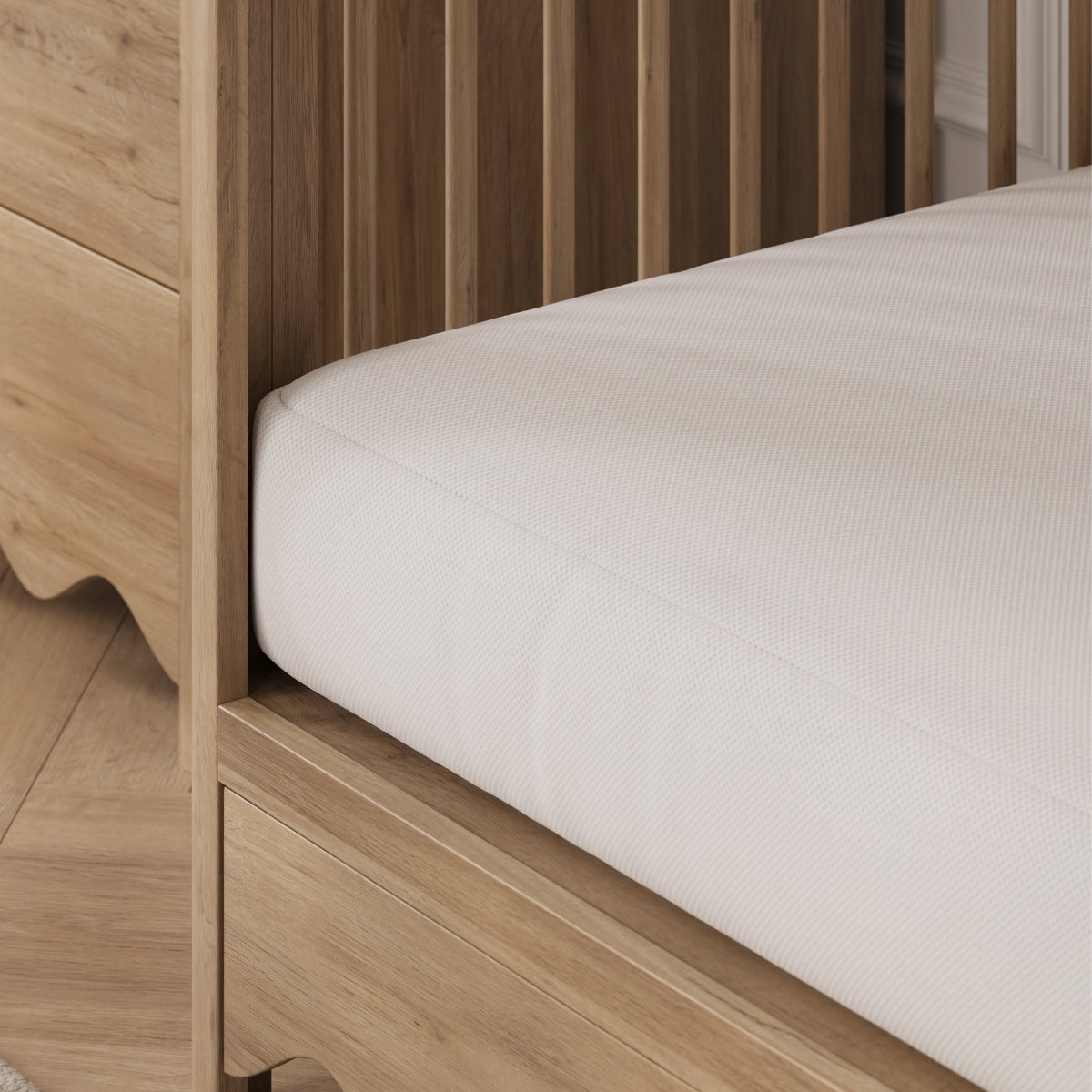
Our Breathable Organic Crib Mattress and Breathable Ultra Organic Crib Mattress use a three-dimensional breathable layer that creates 360-degree airflow at the sleep surface. Beneath that layer is a waterproof mattress.

The breathable covers are removable and washable, while the waterproof mattress surface underneath can be wiped clean. That means a middle-of-the-night accident doesn't require washing the mattress core itself.
Naturepedic crib mattresses are also made with certified organic materials and are certified to standards including GOTS, EWG Verified®, MADE SAFE®, GREENGUARD Gold, UL Formaldehyde Free, and UL Non-Detectable PFAS. These certifications address specific material, manufacturing, emissions, and chemical-screening requirements.
Classic Organic Crib Mattress
The Classic Organic Cotton Crib Mattress is Naturepedic's simplest crib mattress option. It provides a firm, waterproof, certified organic sleep surface without the removable three-dimensional breathable layer included with the Breathable models.
It comes in lightweight and innerspring constructions, with single-stage and dual-stage options available depending on the model.
Breathable Organic Crib Mattress
The Breathable Organic Crib Mattress builds on the waterproof organic mattress design with a removable, machine-washable breathable cover. The three-dimensional structure allows air to circulate between Baby and the waterproof mattress surface below.
It's available in both lightweight and innerspring constructions and features a two-stage design with a firmer infant side and a slightly more cushioned toddler side.
Breathable Ultra Organic Crib Mattress
The Breathable Ultra takes the same general layered approach and adds a more elevated quilted breathable cover. It pairs the removable airflow layer with a waterproof mattress underneath and a two-stage design for infant and toddler use.
Do You Need a Breathable Crib Sheet?
You don't need a special sheet simply because your mattress is marketed as breathable. What matters most from a safe-sleep standpoint is that the sheet is designed for the mattress and fits tightly without bunching or creating gaps.
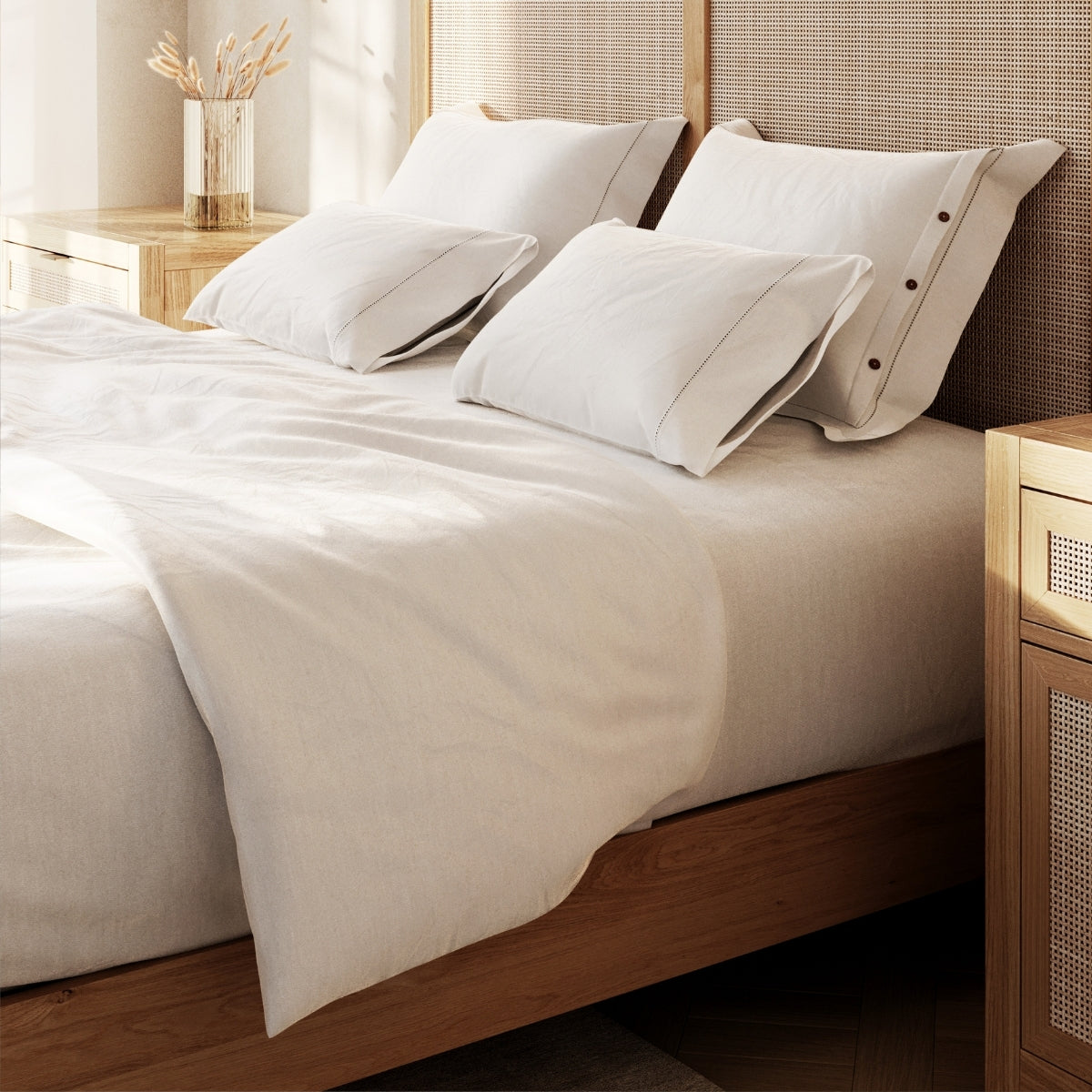
The fabric can affect airflow and comfort, however. Lightweight fabrics such as cotton muslin have a more open construction than many heavier fabrics. Naturepedic's Breathable Organic Cotton Muslin Crib Sheets, for example, use a loosely woven muslin construction designed to allow heat and moisture to move through the fabric.

Whatever sheet you choose, always make sure it fits securely over your particular crib mattress and follow the mattress manufacturer's instructions regarding any additional covers or pads.
How to Choose a Breathable Crib Mattress
Once you know what "breathable" does — and doesn't — mean, comparing mattresses gets much easier. Instead of choosing based on a single marketing claim, consider the full mattress.
1. Start With a Firm, Properly Fitting Sleep Surface
For infants, safe-sleep fundamentals come first. Choose a firm, flat crib mattress designed to fit your crib without unsafe gaps around the edges.
2. Find Out How the Mattress Is Breathable
Look beyond the word itself. Does airflow occur through a removable cover? Through the entire mattress? Does the manufacturer explain its construction clearly?
Specific design information is more useful than a general breathability claim.
3. Consider Waterproofing
Babies are messy. A waterproof crib mattress prevents urine, spit-up, and other liquids from soaking into materials that are difficult or impossible to thoroughly clean.
If the mattress itself isn't waterproof, understand how its design handles moisture and how much of the mattress you'll need to wash after an accident.
4. Think About Cleanup Before the First Mess Happens
Check whether the breathable portion is removable, whether it can go in the washing machine, how the mattress itself is cleaned, and how long washed components need to dry.
A design that sounds convenient on a product page should also make sense at 2 a.m.
5. Look Closely at Materials
Your baby's face will spend a lot of time close to their mattress. Look for brands that clearly disclose what's used throughout the construction rather than focusing only on the outer fabric.
For families prioritizing organic materials, a third-party standard such as GOTS can verify both organic fiber content and requirements for processing and manufacturing.
6. Understand What Certifications Actually Mean
Certifications can provide useful third-party verification, but they aren't interchangeable. Some address organic sourcing and processing, while others restrict particular substances or evaluate chemical emissions.
Rather than simply counting certification logos, look at what each certification verifies.
7. Consider Mattress Weight
This can be easy to overlook until your first sheet change. Lightweight crib mattresses can be easier to lift out of a crib, while some parents prefer the traditional construction of an innerspring.
Naturepedic's Classic lightweight models, for example, weigh approximately 10 to 11 pounds, compared with approximately 19 pounds for the Classic innerspring model.
8. Decide Whether You Want a Two-Stage Mattress
A dual-stage crib mattress has two sleep surfaces designed for different stages: a firmer infant side and a slightly more cushioned toddler side. If you plan to use the mattress into the toddler years, a two-stage design may give you more flexibility without requiring a second mattress.
So, Is a Breathable Crib Mattress Worth It?
A well-designed breathable crib mattress can add airflow, comfort, and easier cleanup to an already firm, properly fitting sleep surface.
When comparing your options, look beyond the word "breathable" and consider how the mattress handles airflow, moisture, cleaning, materials, certifications, and construction together. The best design is one that combines the features that matter to your family without making everyday care more complicated.
Ready to compare your options? Explore Naturepedic's organic crib mattresses, including Classic, Breathable, and Breathable Ultra designs.
Have feedback on our story? Contact us to let us know what you think or visit our about us page to learn more!